NHTSA proposes cyan lights for robotaxis to signal automated driving
Federal regulators are suggesting a standardized blue-green light to help drivers identify when a car is operating without a human behind the wheel.
By News Media House Staff ·
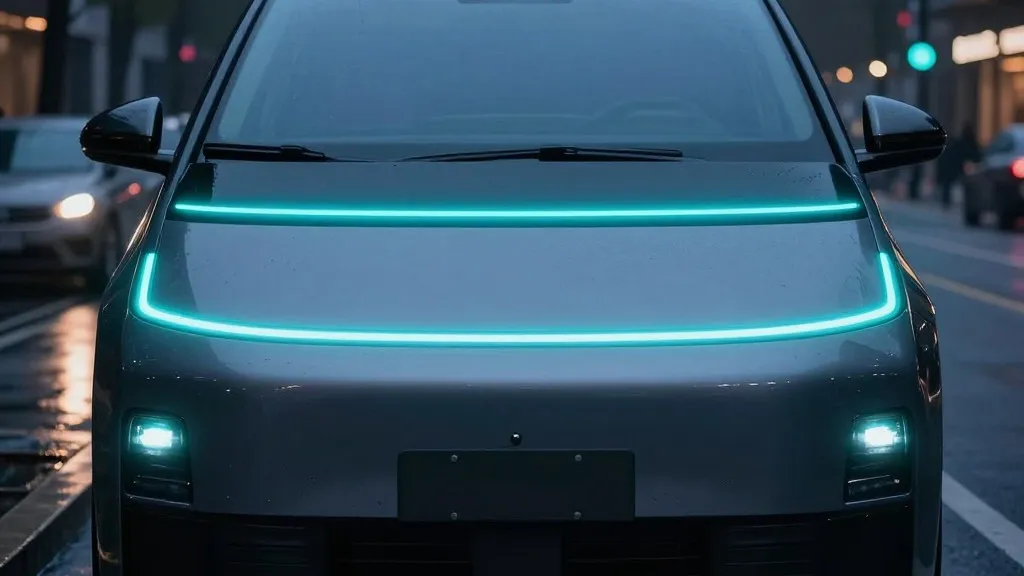
The National Highway Traffic Safety Administration has proposed a specific color for driverless vehicles: cyan. The agency released a draft update to Federal Motor Vehicle Safety Standard 108 that suggests robotaxis use distinct blue-green marker lamps. This move aims to give law enforcement and other drivers a clear visual cue that an automated system is in control of the car.
The choice of color addresses a long-standing debate in the automotive industry. Current vehicle lighting relies heavily on red, amber, white, and flashing blue or red signals for functions like braking, turning, and emergency alerts. Regulators believe cyan fills a visual gap that prevents confusion on the road. While Mercedes-Benz previously received state-level approval for similar turquoise lights on its Drive Pilot models, the automaker later shifted to a different system. NHTSA now seeks a uniform national standard for companies such as Waymo, Nuro, Zoox, GM, and Mercedes to follow.
Under the new proposal, these cyan lights would remain optional for manufacturers. However, establishing official federal standards for the light's color, brightness, and location ensures consistency. This approach prevents a fragmented landscape where different companies use varying signals. If an automaker chooses to install the lights, they would need to adhere to these specific technical guidelines to remain compliant with the law.
The agency is also looking to remove requirements that do not apply to vehicles without human drivers. Current rules mandate physical components like hazard switches, manual beam shifters, and turn levers inside the cabin. NHTSA proposes eliminating these mandates to allow for more flexible interior designs. The update also modernizes the 12.8-volt testing standard, making it easier for builders to integrate contemporary LED systems without navigating excessive administrative procedures. Additionally, the agency is considering dropping rules that dictate the vertical placement of high-beam lights relative to low-beam lights.
This regulatory shift fits into a broader Department of Transportation strategy to streamline the deployment of autonomous vehicles. The goal is to simplify the process for automakers designing cars that lack traditional human controls, such as steering wheels and pedals. By updating these safety standards, the government hopes to reduce friction for companies building the next generation of self-driving technology.
Despite these efforts to ease regulations, the agency is still actively enforcing existing rules. Last month, NHTSA launched an audit of the Tesla Cybercab. The investigation examines the technical data and processes Tesla used to certify the vehicle. The review focuses on the absence of specific design features, including sideview mirrors, pedals, and a steering wheel, which are currently required under the existing framework.
Source: The Verge