Wolves move into Finnish villages after tech firm clears forest for AI
Resident families report increased wildlife sightings following the halt of a major data center project that displaced local fauna.
By Rafael Ortega ·
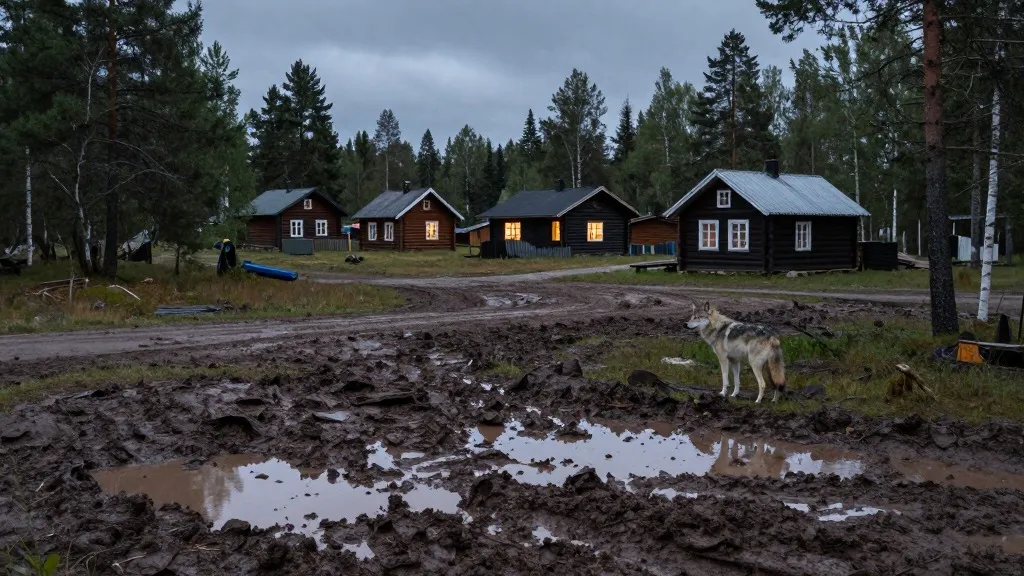
Families living in rural Finnish villages are now dealing with a new and unexpected challenge: wild animals entering residential areas. The shift has occurred after a major technology company cleared significant sections of forest to build new infrastructure for artificial intelligence. Residents describe a noticeable change in their daily lives as wolves and other creatures, previously confined to the woods, begin roaming the outskirts of their homes. This development highlights a direct link between rapid tech expansion and the immediate safety concerns of local communities who find themselves sharing their space with displaced wildlife.
The situation stems from construction activities near the areas of Muhos and Otanmäki. Google, the American search and AI giant, cleared approximately 816 acres of forest in the Muhos area. In a separate zone about 55 miles southeast of Otanmäki, roughly 500 acres were also removed. The company’s country manager for Finland has apologized for these clearings, noting that the land has been transformed into a large expanse of mud. These actions were taken in a hurry to establish new data centers, but they have since drawn significant attention from both the public and regulatory bodies.
The timeline of events shows a quick escalation. Earlier this month, the Finnish Licensing and Supervision Authority, known as LVV, issued a notice ordering Google to stop its construction activities in the Muhos and Kajaani regions. This regulatory move followed reports that the company had not fully adhered to local environmental policies. A representative from the Finnish Association for Nature Conservation described the flouting of these policies as unprecedented and clear. The order to cease work effectively paused the project, leaving the cleared land in a state of disarray and the local ecosystem in flux.
For ordinary people, the impact is tangible and personal. Anni Ranta, a 53-year-old resident whose family has lived in Otanmäki for generations, explained that wolves have started coming into the village because the wild animals moved out of the forest. Her comments underscore the safety implications for families in the region. Beyond the wildlife, locals have also expressed frustration over other side effects of the construction, including persistent factory noise, streams turning brown, and rare bird species being pushed out of their habitats. These complaints suggest that the environmental toll extends beyond just the trees that were cut down.
Despite the local anger and the formal stop-work order, the technology company maintains a cooperative stance. A Google spokesperson stated that the firm will fully comply with the requests made by the licensing authority. The company looks forward to maintaining an active and open dialogue with all authorities to strengthen its partnership with Finland and local organizations. It appears the company is hoping that the promised business benefits of these data centers will help sway the government and regulators in its favor, even as it addresses the immediate concerns raised by the community.
Looking ahead, the focus will be on how the company manages the aftermath of the halted construction. The regulatory order requires a pause, but the long-term implications for the local environment and the safety of the villagers remain under scrutiny. As the muddy landscapes stand in place of the former forest, the interaction between the displaced wildlife and the human settlements will likely be a key point of discussion in the coming months. The balance between expanding AI infrastructure and preserving the local ecosystem is now a central issue for the region.
The broader context involves a growing trend of environmental concerns raised by AI data center developers globally. Similar complaints have been voiced across the United States and other countries, suggesting this is a recurring challenge in the tech industry. For Finland, the case has become a prominent example of the tensions that can arise when large-scale tech projects meet local environmental regulations and community needs. The resolution of this dispute may set a precedent for future developments in the region.
Source: Tom's Hardware