Trump Mandates AI Energy Dividends
The administration is pushing for data centers to offset local energy costs, raising questions about feasibility.
By Sofia Ramirez ·
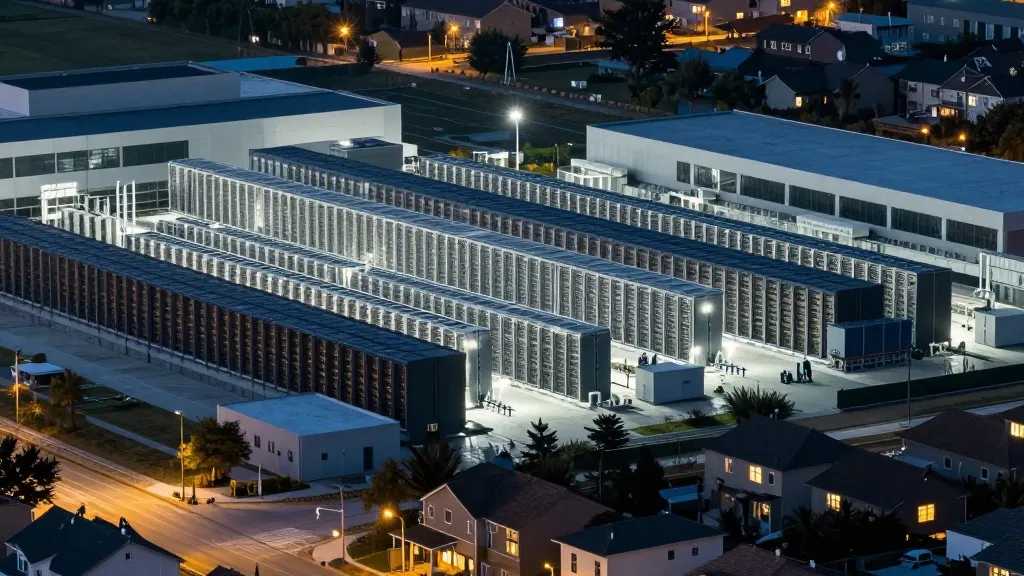
President Donald Trump has issued a directive requiring artificial intelligence data center operators to provide financial or energy dividends to the communities where they operate. This move aims to mitigate the rising utility bills and local resentment that have accompanied the rapid expansion of these facilities across the United States.
In a recent statement on Truth Social, the President outlined a strategy where hyperscalers must not only generate their own power, a previous administration order, but also sell or give excess energy back to local grids. The goal is to transform data centers from sources of community friction into assets that actively lower household electricity costs. Trump argued that when a financial deal is struck, unpopular projects become popular, urging developers to "MAKE DEALS, and get them built!!!"
The administration’s push is driven by a desire to maintain a competitive edge against China in the AI sector while managing domestic political fallout. Local residents have frequently protested against these facilities due to significant impacts, including noise pollution, water scarcity, air quality issues, and deforestation. By mandating that companies shoulder the cost of grid upgrades and share energy costs, the White House hopes to alleviate the most immediate pain point: the spike in local electricity rates.
However, the practicality of this mandate faces several hurdles. The term "dividend" implies a distribution of profits, yet many new data center projects are still in the capital-intensive construction phase and may not be profitable for years. Critics note that requiring unprofitable entities to pay out dividends could complicate corporate bookkeeping and financial planning. Furthermore, the short-term power solutions currently being deployed by these facilities often rely on gas-powered generators, which are noisy and polluting, potentially negating the environmental benefits residents might expect.
There are also questions about whether a financial offset is enough to win over skeptical communities. While energy costs are a major grievance, they are only one facet of a broader set of issues, including ecological damage and water consumption. Without a clear, binding requirement that goes beyond a call for deals, companies may follow the path of least resistance, offering minimal concessions that do not fundamentally change the local impact of these massive installations.
Ultimately, the success of this initiative depends on how strictly the mandate is enforced and whether the energy returned to the grid is substantial enough to offset the increased load. As the administration seeks to balance its AI ambitions with local acceptance, the coming months will reveal whether these "dividends" are a meaningful concession or a symbolic gesture that leaves core community concerns unaddressed.
Source: Tom's Hardware